Container Unpacking in Sydney
We handle the container unpacking jobs that most carriers avoid. Steel, oversized, heavy, and difficult freight is managed daily in our dedicated Prestons facility in South West Sydney, with the right equipment and an experienced team. One provider from container arrival to empty return.
The freight types that run through our facility every week
Steel and structural products
Coils, beams, plate, mesh, and structural steel. High-consequence freight that requires proper lifting gear, planned load-out, and experienced handling to prevent damage and safety incidents
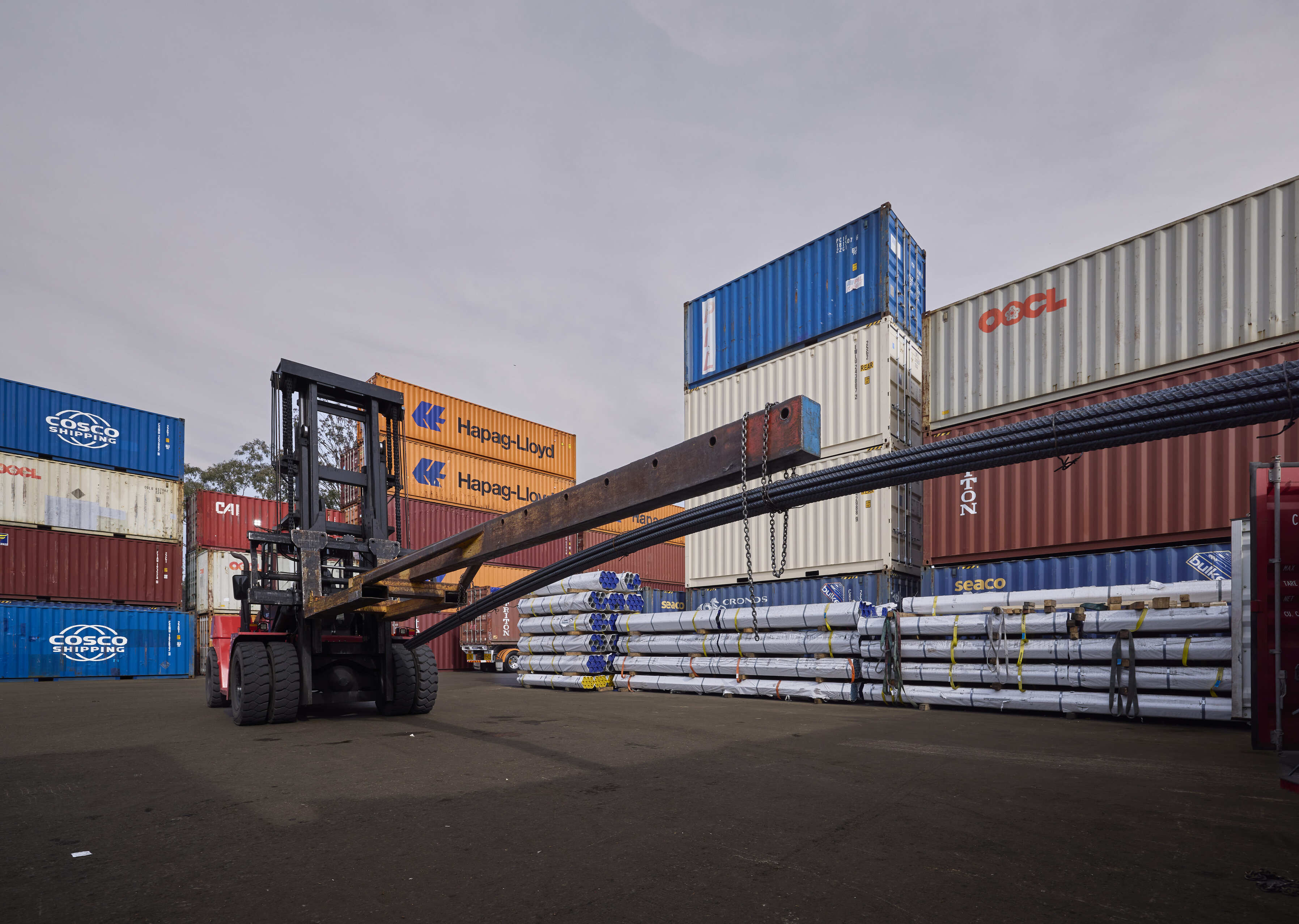
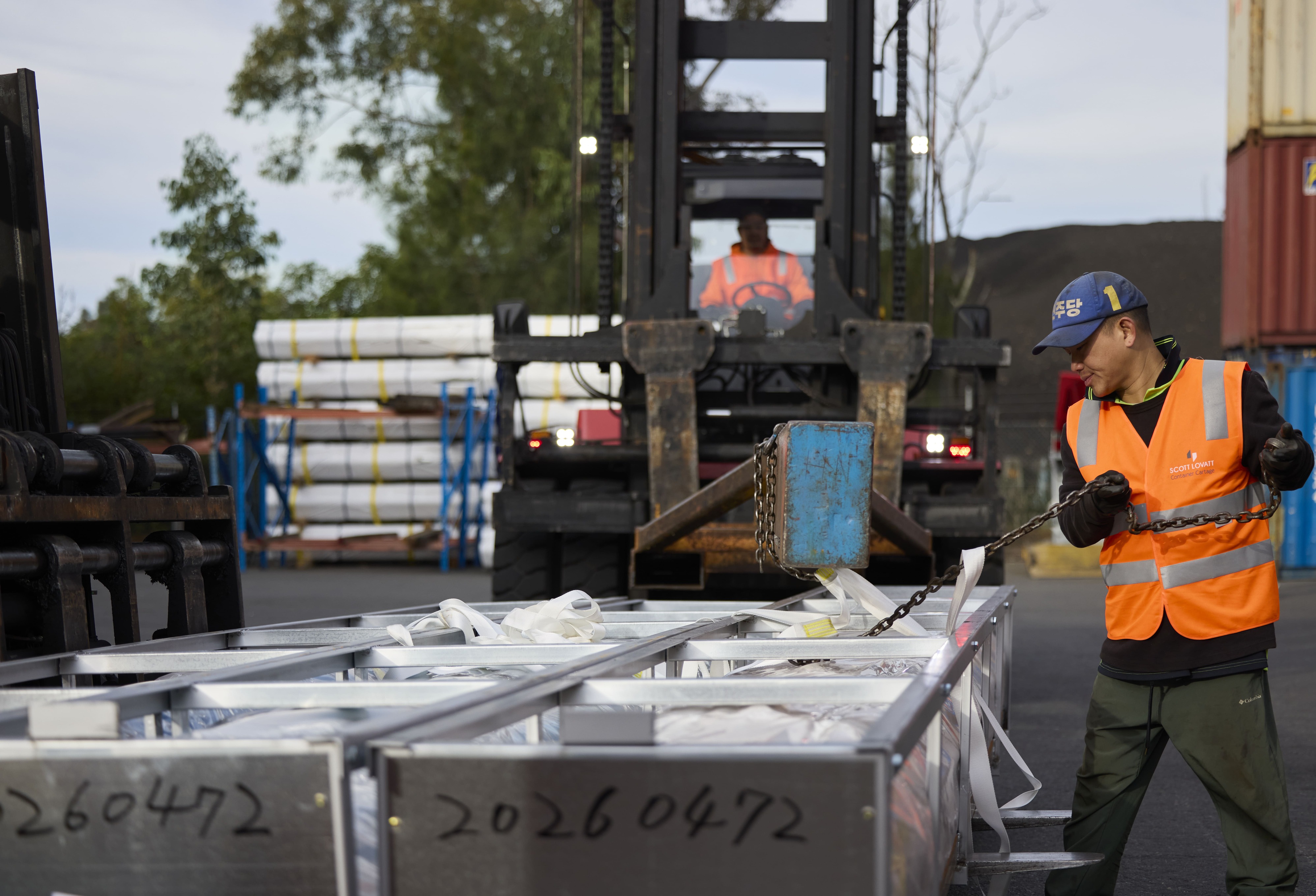
Heavy and
oversized items
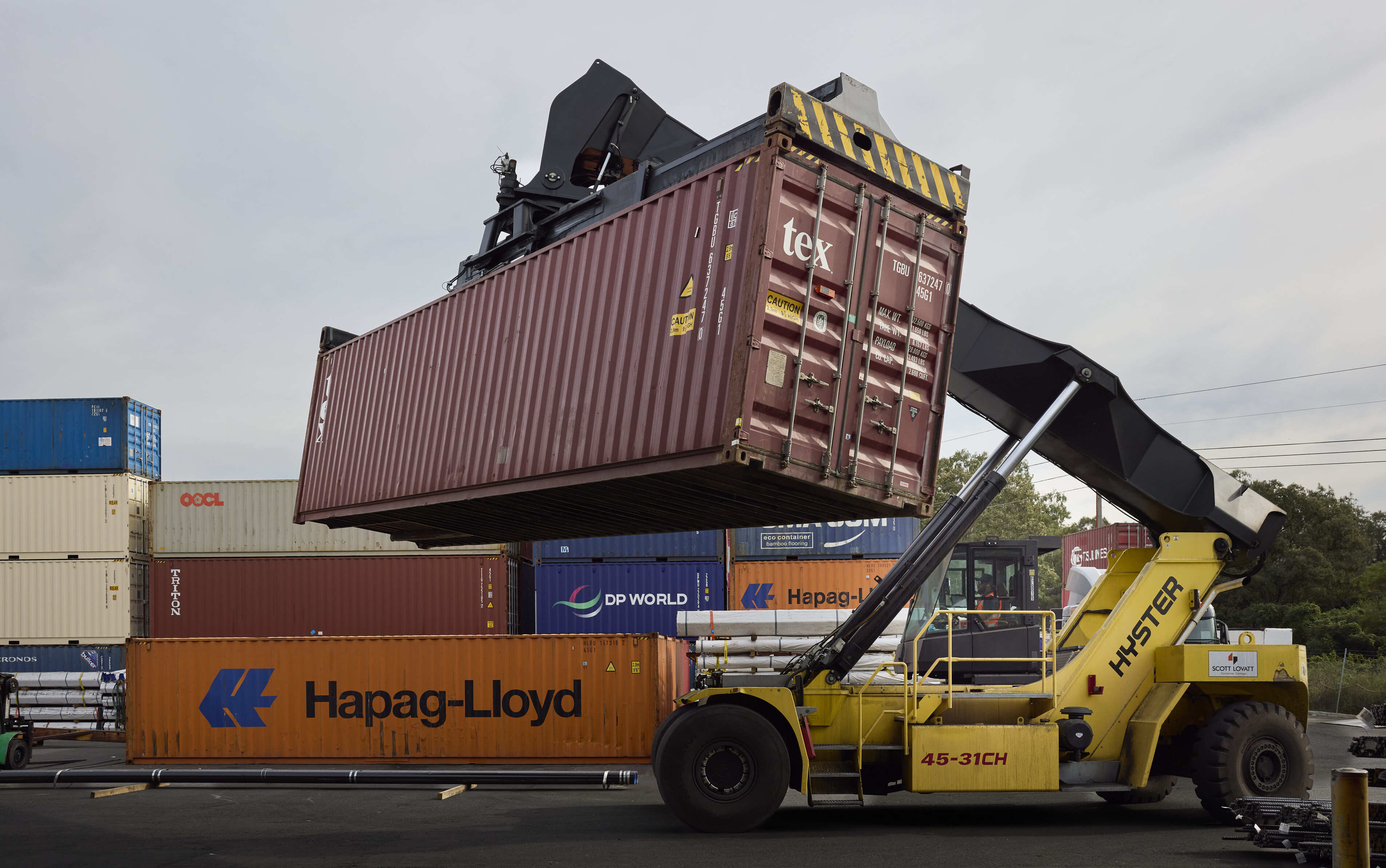
Freight that exceeds standard forklift capacity or doesn't fit conventional unload methods. Handled using heavy forklifts, reach stackers, and purpose-built unpack jibs.
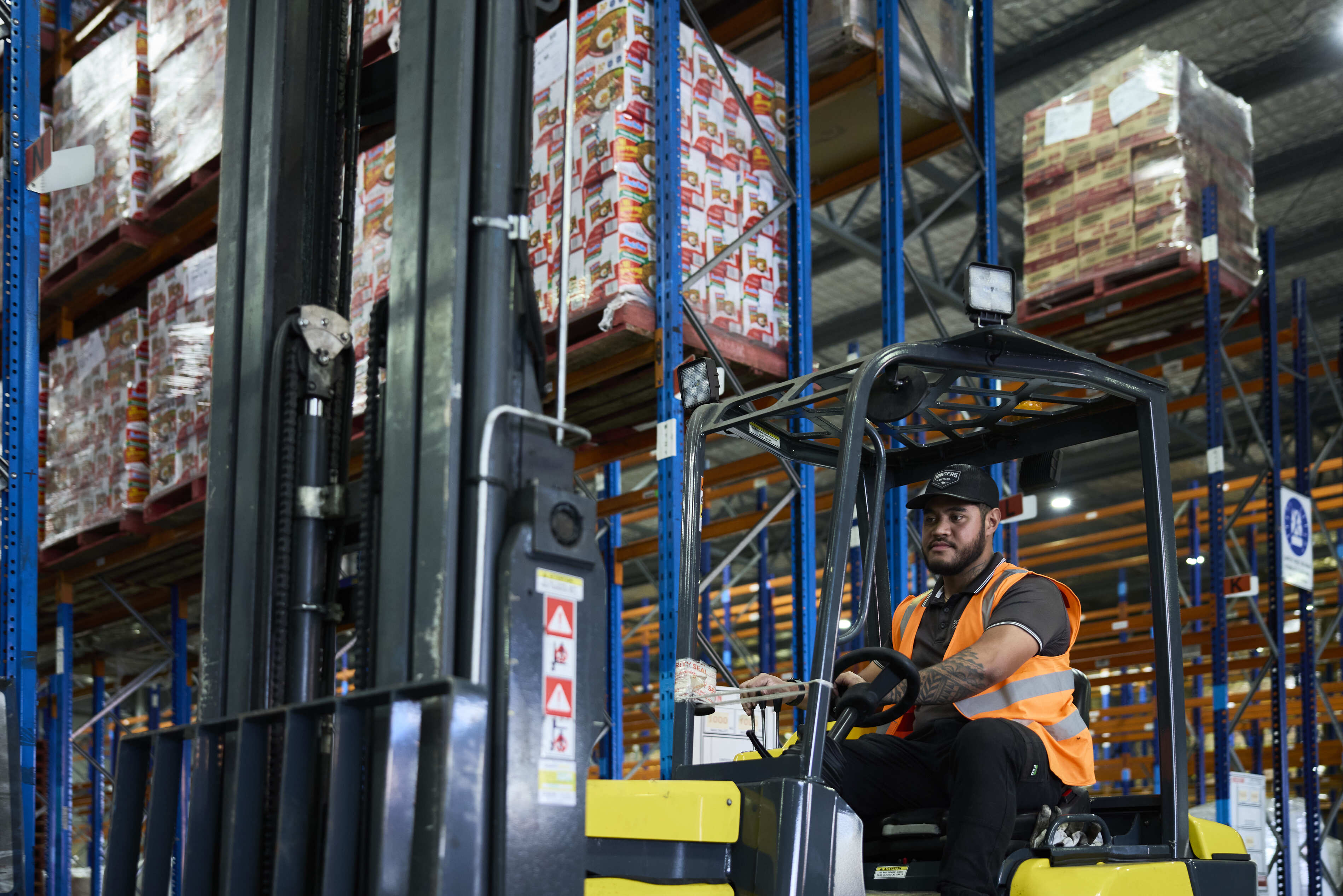
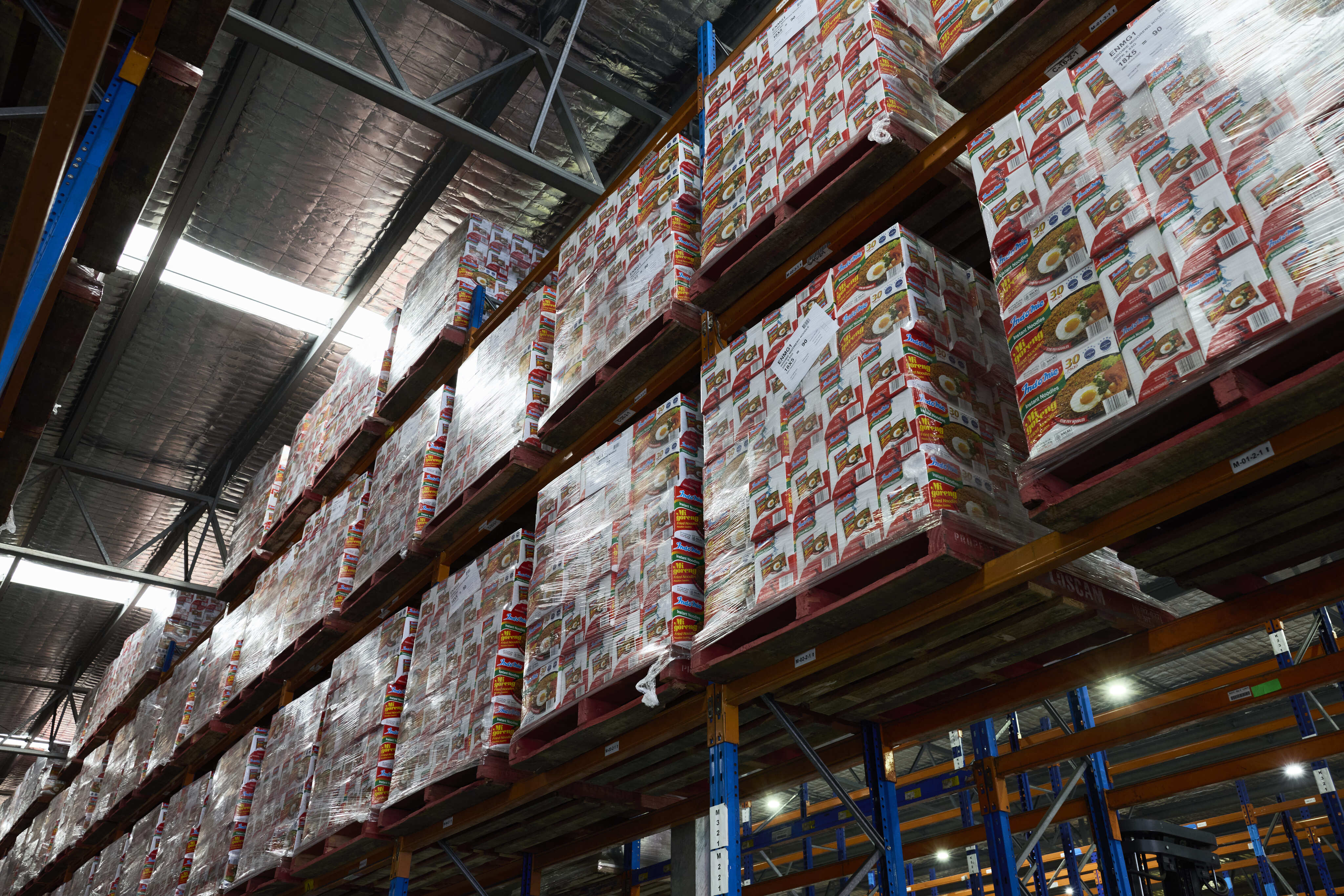
Palletised goods
Standard palletised freight unloaded in the right order to maintain integrity, reduce rehandling, and keep product moving into delivery or storage without delay.
Loose and
mixed loads
Containers packed without pallets or with mixed commodity types that require manual sorting, careful staging, and planned load-out to avoid damage and confusion.
Food and temperature-sensitive product
Food-grade freight handled with the care and process required to maintain product condition from container to delivery.
Industrial and
manufacturing inputs
Raw materials, components, and industrial supplies unpacked and staged for production schedules where delays directly impact output.
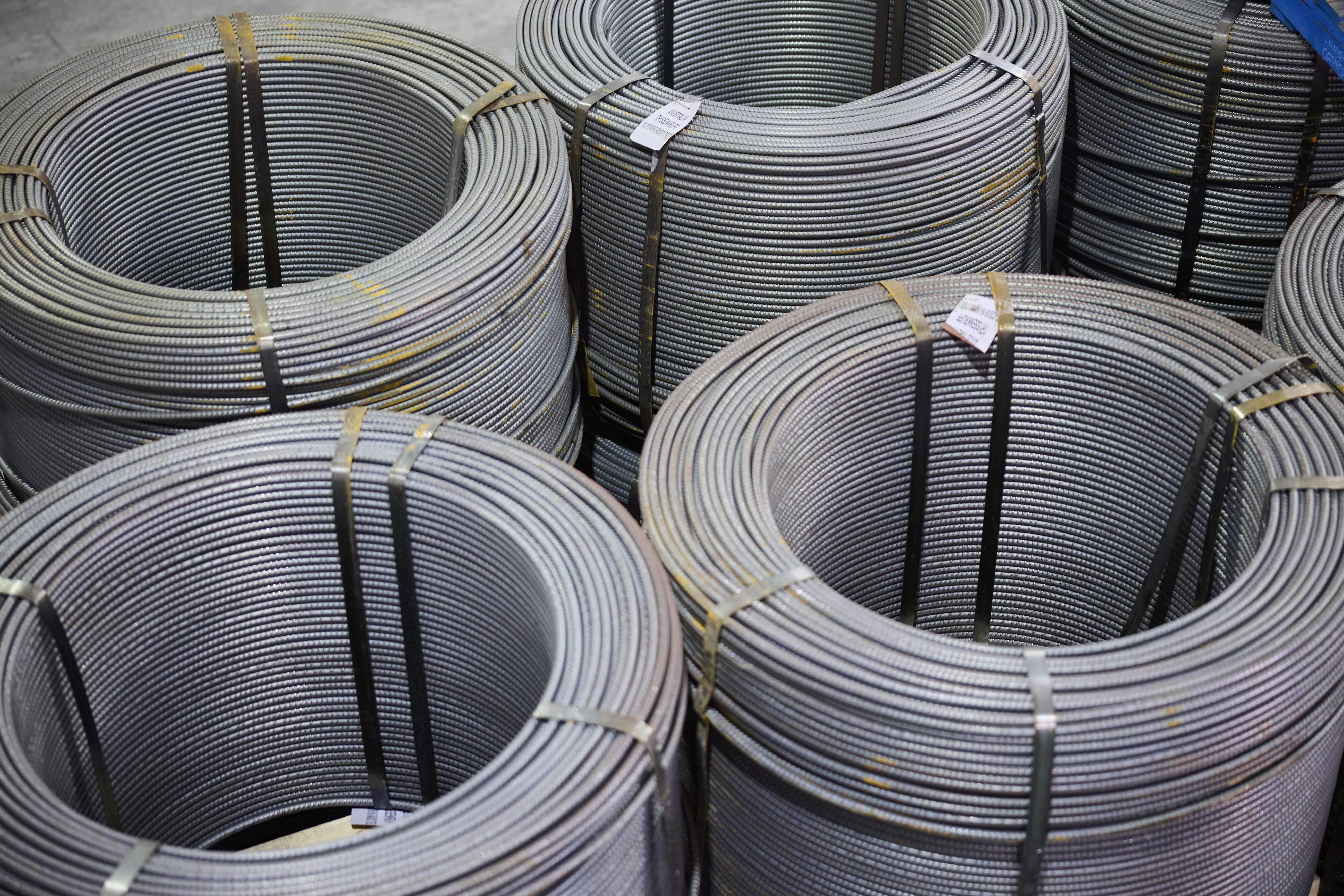
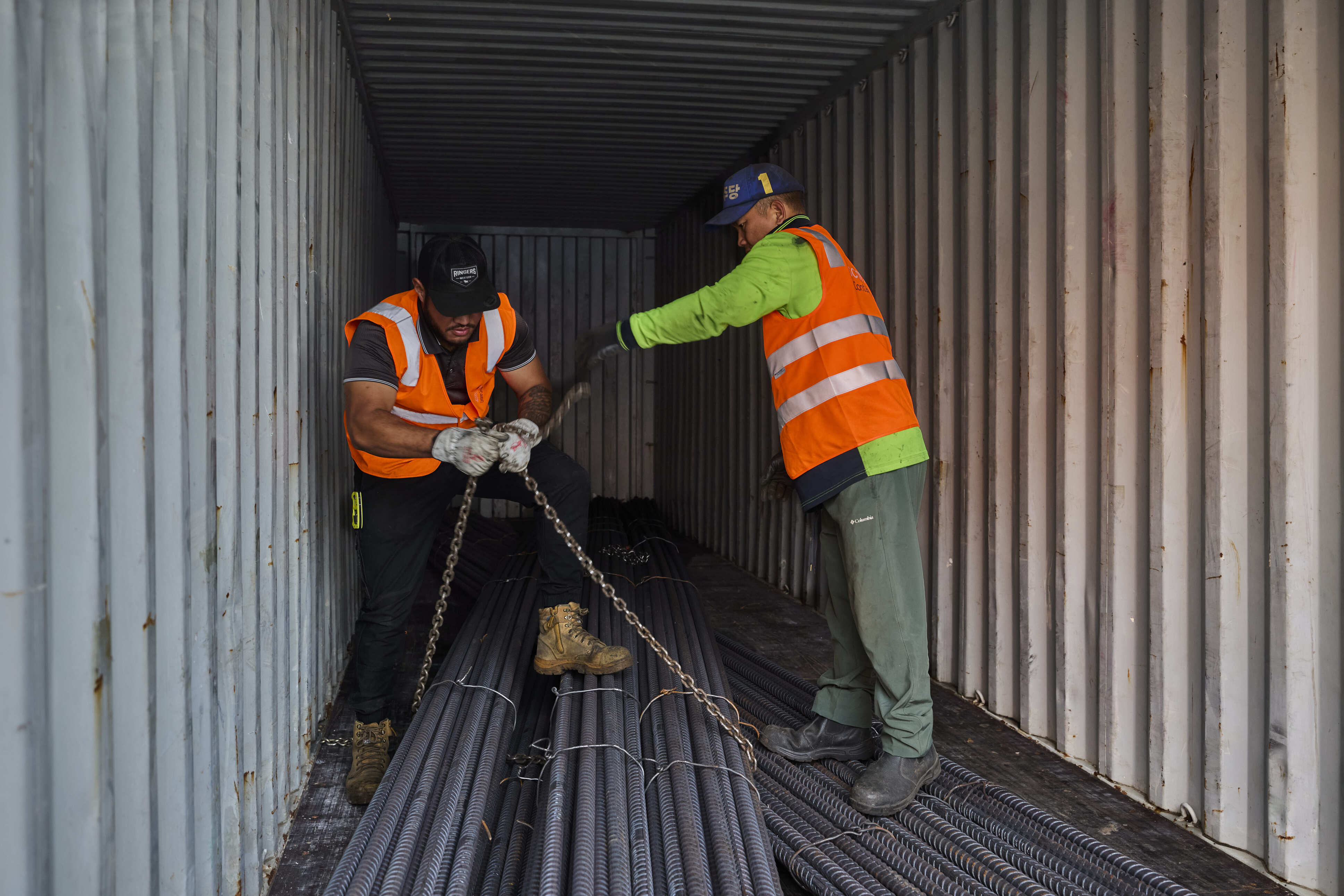
Steel and structural products
Coils, beams, plate, mesh, and structural steel. High-consequence freight that requires proper lifting gear, planned load-out, and experienced handling to prevent damage and safety incidents
Heavy and
oversized items
Freight that exceeds standard forklift capacity or doesn't fit conventional unload methods. Handled using heavy forklifts, reach stackers, and purpose-built unpack jibs.
Palletised goods
Standard palletised freight unloaded in the right order to maintain integrity, reduce rehandling, and keep product moving into delivery or storage without delay.
Loose and
mixed loads
Containers packed without pallets or with mixed commodity types that require manual sorting, careful staging, and planned load-out to avoid damage and confusion.
Food and temperature-sensitive product
Food-grade freight handled with the care and process required to maintain product condition from container to delivery.
Industrial and
manufacturing inputs
Raw materials, components, and industrial supplies unpacked and staged for production schedules where delays directly impact output.
Container unpacking in Sydney, controlled from first opening to empty return
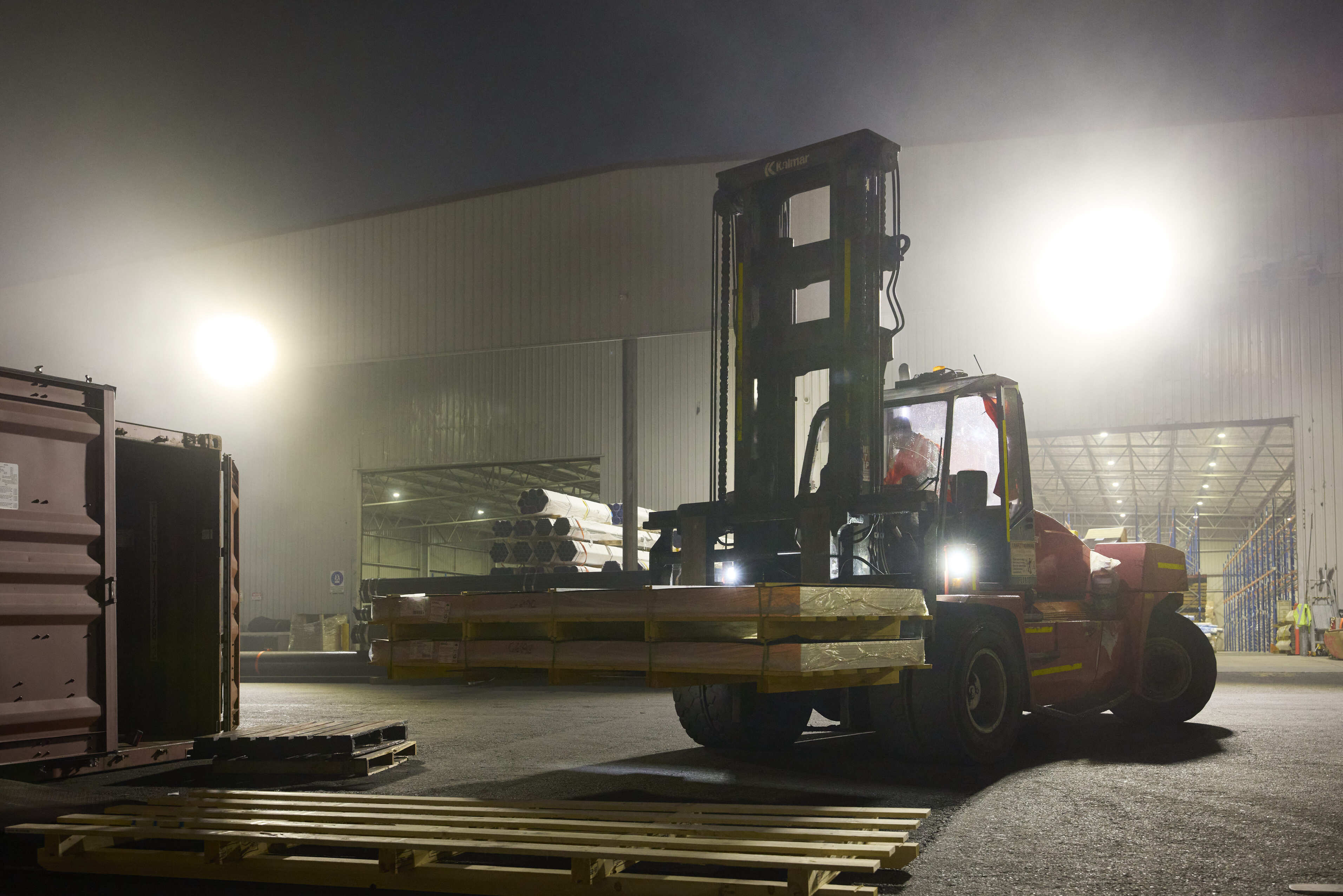
Every unpack starts with a proper plan
Capability that matches the freight
The job keeps moving after unpack
The process between your booking and a confirmed empty return
Confirm the freight details
Commodity type, container weight, how the load is packed, delivery requirements, and any handling constraints are confirmed before the job is scheduled.
Plan the unpack around the freight
Equipment, labour, load-out sequence, and staging requirements are matched to what's actually inside the container.
Receive container into depot and plan unpack
The container is received into our Prestons facility, checked against the booking details and added to the unpack schedule. Once scheduled, the customer is notified
Unpack safely with the right equipment
The freight is unloaded using the equipment and handling method planned for that specific load. Steel, heavy, oversized, and palletised goods are each handled according to what they require.
Deliver the freight and return the empty
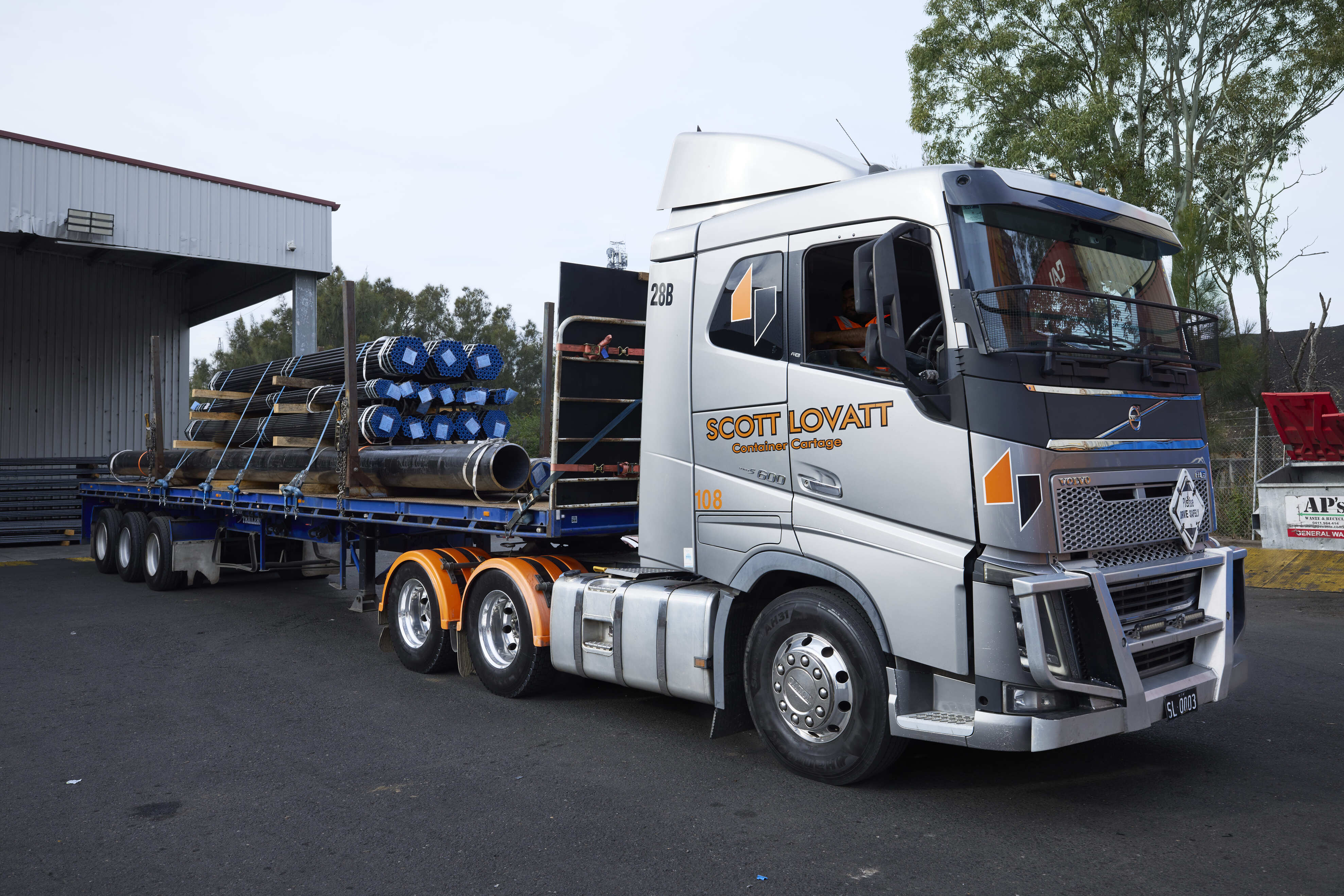
Once unpacked, goods are staged, sorted, and loaded out for delivery across Sydney and NSW. The empty container is de-hired and returned. Job closed out and confirmed complete.
What clients say after working with us
Freight Mart International
“I cannot recommend using Scott Lovatt’s for your trucking, unpack and warehousing needs any more highly if you’re reading this and thinking of using them then just do it. Scott’s team is professional. They always follow up and respond in a quick timely manner. What they say they do, they do and nothing is ever too hard for them. Rate requests are quick and the level of customer service is outstanding. I use them for Sideloader deliveries, Container pick up and unpack, Warehousing and redelivery and Country transport to mine sites from the unpacks they do for me as well and they have never let me down.”

“The Scott Lovatt team are always reliable and easy to deal with. Communication is clear, they’re proactive with updates, and they consistently deliver even when timelines are tight. Makes a big difference having a transport partner we can trust to just get the job done without the back and forth.”

“Having known and dealt with Scott for close to 20 years now it was an easy decision to have his company provide both transport and warehousing services. The ability for them to problem solve whilst meeting client expectations provides us with confidence that the job will always be handled well.”

“We have worked closely with Scott Lovatt Container Cartage and have consistently found their service to be reliable, responsive, and highly professional. Scott and his team are always punctual, communicate well, and importantly, are willing to go the extra mile when it counts. Whether that’s accommodating tight deadlines or stepping in for weekend work to keep things moving. That level of flexibility and commitment makes a real difference in our operations and gives us confidence knowing we have a transport partner we can depend on. We value the partnership and look forward to continuing to work together.”
“Scott Lovatt Container Cartage is a great transport company with high reliability, exceptional communication and professionalism. He and his team had proven themselves by providing timely updates, handle goods with care, offer competitive rates, and display courteous, expert service at all time to Oriental Merchant Pty Ltd – Sydney operations team. When we faced with critical moment, Lovatt is always there to get us through for both cartage and warehouse service. Their tremendous support during Covid Time and when we continuously run out of capacity, Lovatt was always there for us as a trusted partner that got us through our challenges. We had fantastic experience with their reliability and professionalism and we look forward to your partnership for many years to come. Go, Scott Lovatt, you are the best.”
Why companies stop searching for a better unpacking provider after the first job

What most businesses ask before their first unpack job with us
It depends on the freight type and complexity. Standard palletised containers are typically turned around quickly. Steel, heavy, and oversized loads take longer because they require specific equipment and careful handling. We'll give you a realistic timeframe upfront based on what's actually inside the container.
Heavy forklifts, a reach stacker, and purpose-built unpack jibs. The equipment is matched to the load, not the other way around. That's how we prevent damage and avoid the improvised handling that causes problems with general carriers.
We are. One team handles the entire unpack under one roof. There's no split accountability between a carrier, a warehouse operator, and a labour hire crew. If something happens, you're dealing with the people who did the work.
If a container arrives with biosecurity concerns, we manage it as part of the process rather than treating it as an unexpected disruption. We'll communicate any issues early so delays and charges can be managed properly.
Our facility runs up to 120 containers per week. Whether you're importing five containers a month or fifty, we'll be upfront about capacity and scheduling so you know exactly where your work sits.
Both. Once freight is unpacked and staged, we deliver it to its final destination using our own fleet. The empty container is returned and de-hired as part of the same job. You don't need to coordinate separate providers for each stage.
Container number, commodity type, approximate weight, how the load is packed, delivery location, and any site access constraints. The more accurate the detail upfront, the fewer surprises later.
No. Our warehouse team is employed directly and works in our facility daily. That consistency is how we maintain handling quality and safety standards across every container.
Port holds and delays are common. When they happen, we monitor the status, keep you informed, and adjust the schedule so the rest of the job stays on track. You're not left guessing.